Join me on Facebook, too!

Showing posts with label relentless. Show all posts

Saturday, March 15, 2025

WHEN A LITTLE MEANS A LOT


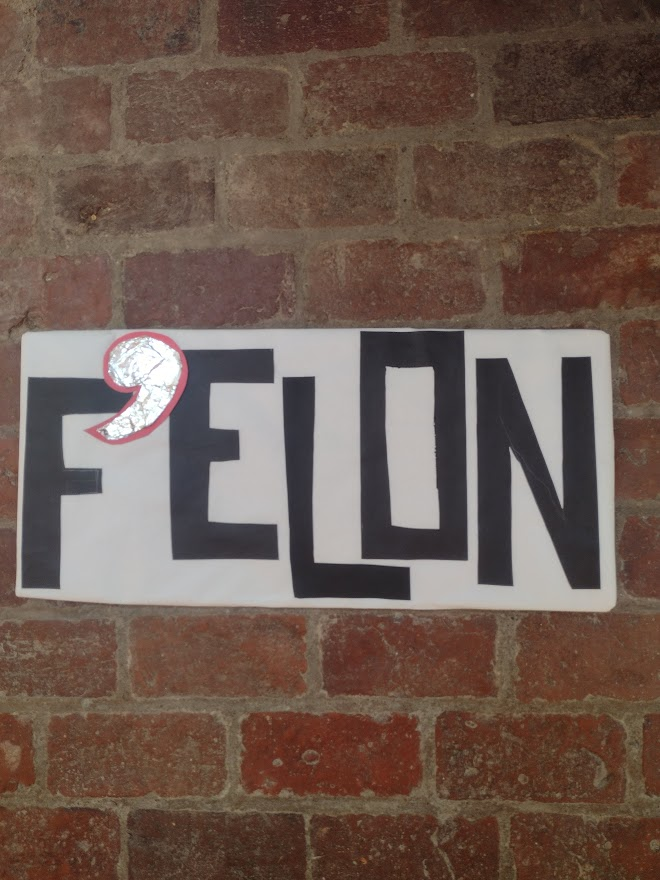
It has been a while since I indulged in some arts and crafts but I finally found a worthy project*. Judging by the signs I've been seeing at recent marches and rallies, I'm not alone. Parents across the country are raiding their kids' construction paper and markers. Crayons too.

And many are putting those Amazon boxes to good use, too.

As a writer, I'm fortunate to have my time be my own, yet I want to make my limited time count. But I'm just one person---a speck in a very large world. In today's cyclone of news, how can I make a difference? How can I make my voice heard?

Is being a drop in the bucket a bad thing?

An Aesop Fable tells of a thirsty crow who dropped pebbles into a bucket to raise the level of the water. The twist here is that this is rooted in fact. Take a look at this video of a crow doing just that.

I get emotional at the marches and rallies I've gone to as each has evidenced an All Hands on Deck urgency. Save Our Medicare signs were carried by folks with gray hair. Ukranian flags were waved by young and old next to the Stars and Stripes. I've seen mothers bring their young children. A baby in a stroller held a sign that read, "Nine Months Old and Already Sick of this Shit." A boy in a Harry Potter scarf declared himself "Part of Dumbledor's Army Against Trump." 

Each person was a drop in the bucket. Each raised the level of awareness and each strengthened a building wall of resistance. The signs spanned a spectrum of issues. USAID. Veterans. Education.

It's a bit ironic that one truth out of all of this is that the man in office is turning into the "Unifier in Chief" as he once declared himself. I doubt he envisioned just how he's bringing people together.

I get emotional at these rallies because there is so much at stake. Hundreds of people attended a town hall for our US representative and hundreds more were turned away as the auditorium had reached capacity and overflowed.

And that's the thing about drops in the bucket. 

*Oh, and it's a writer's thing to know that punctuation matters. It's amazing the meanings a tiny apostrophe can give.


Tuesday, January 2, 2024

EVEN MY KIDS LEARNED SOMETHING

Interviews and podcasts are part of the deal in being a writer. We often say we write for ourselves but it sure is nice to get our words out into the world, and being an invited guest on a blog, CCTV, or podcast is always an honor and a great way to expand our reach into new audiences. 

Each host has a theme or a vibe they adhere to. I've done interviews that focus on my experience as an equestrian, fiction author, journalist, or social connector. I enjoy learning what the host found interesting in my background for their readers/viewers/listeners. As fun as these interviews are, I always feel they are incomplete, there was more to my story. I wondered if anyone could get a complete picture of me as a person and as a writer.

Enter Candy O'Terry's podcast, "The Story Behind Her Success." Candy is a Boston radio icon and has interviewed over 1000 women including Mariah Carey, Crystal Gayle, Erin Brockovich, Valerie Harper, and so many more incredible, amazing, fantastic women. Candy does what so many interviewers don't; she delves into the alchemy of nature and nurture that made these women who they are.


I confess, I never thought of myself as a "renaissance woman." 

On a car trip with my son over the holidays, we listened to this interview together. Candy asked me about growing up on a dairy farm, law school, my career in banking, writing for BusinessWeek, and so much more. Afterwards, he looked at me with pride. "I never knew all that about you." 

I had to wonder how that could be so. I've never exactly kept my life a secret from my family!

Anyway, take a listen to my conversation with Candy here.

Monday, September 18, 2023

AND THE WINNER IS...CRIME HITS HOME!

I am absolutely rejoicing! 

I've written about the launch of this anthology and of my excitement that my short story, CURRENTS, is included beside crime-writing greats like Walter Mosely, Sara Paretsky, Naomi Hirahara, Gabino Iglesias, and more. There is even more terrific news that I need to share with you!

CRIME HITS HOME has won the coveted Anthony Award for Best Anthology!

My grandfather once said, "Show me your friends and I'll tell you who you are." If that saying holds true, then the great company I'm in means I write darned good stories.

CURRENTS unfolds what happens when two assassins are stranded on a deserted island. I mean, what could possibly go wrong?

In fact, Michael J. McCann, award-winning novelist and reviewer for the New York Journal of Books wrote a terrific review of the whole anthology and gave me an amazing shoutout!

Check it out:

Our survey of editor Rozan’s spread wouldn’t be complete without mentioning “Currents” by Connie Johnson Hambley. The atmospheric and entertaining story of two assassins facing off against each other on a desert island in the Pacific, it’s an example of how an anthology like this one can bring our attention to an author whose fiction will bear closer examination in the future.

A columnist for Bloomberg BusinessWeek, Hambley has also independently published three thrillers in her Jessica Trilogy, including The Charity (2012), The Troubles (2015), and The Wake (2017). Her contribution to this anthology casts light on her current work, as it were, and encourages us to keep an eye out for what might be coming next.


So, Yeah! I'm kinda chuffed today! 💞💞💞💞

Tuesday, June 15, 2021

5. Fear, Shame, and Love: The Hidden Epidemic of Elder Financial Exploitation Part Five: Resources

[This is the final of a series of articles leading up to World Elder Abuse Awareness Day, June 15, 2021] 

Part Five: Resources

Today, June 15, marks World Elder Abuse Awareness Day. Started in conjunction with the United Nations and the World Health Organization, WEAAD seeks to increase understanding and awareness of the “cultural, social, economic, and demographic processes affecting elder abuse and neglect. . . [while] acknowledging the significance of elder abuse as a public health and human rights issue. WEAAD serves as a call-to-action for individuals, organizations, and communities to raise awareness about elder abuse, neglect, and exploitation.”

Abuse can be physical, emotional, sexual, or financial. Neglect and abandonment are also recognized forms of abuse. State and federal laws seek to protect elders and vulnerable adults by codifying criminality and identifying illegal acts. This series of articles has focused on the insidious and vastly underreported crime of financial exploitation and abuse against elders. The crime is equally as damaging as other abuses. Most victims are unaware that they have legal protections due to their medical vulnerabilities or simply age. Many states define “elder” as anyone over 60.

Unlike other abuses that may have visible signs of harm like bruises or poor hygiene, financial abuse has few outward signs. The predator may physically or emotionally isolate the elder from supportive friends or family, so clues may go unnoticed. Friends may be reluctant to question changes to wills or financial documents fearing overstepping into private matters. Behavior changes like anxiety, depression, and evasiveness may not trigger an inquiry into the root cause.

Contrary to popular assumptions, financial exploitation is not a problem only of the wealthy. Elders may receive Social Security benefits or enjoy savings or a pension plan that other family members do not have. Because elders may be the only family members with a steady stream of income, experts fear a hidden epidemic of financial abuse as the impact of COVID is fully realized. Victimization occurs through unpaid loans, theft, coerced or fraudulently signed documents like home deeds, wills, or Powers of Attorney. Family dynamics and embarrassment add to the reluctance of an elder to report a crime. Saving face and not wanting “to get anyone in trouble” contribute to financial exploitation is a hidden epidemic. With Baby Boomers reaching retirement age at the rate of over 10,000 per day, the impacted class of potential victims is burgeoning and becoming what experts in the field refer to as an “incoming tsunami of disaster.”

Most predators don’t see themselves or have others see them, as evil people. They are the sons, spouses, daughters, grandchild, close neighbor, landlord, or trusted professional. Bad actors come in all shapes and sizes. They feel entitled to overrule the elder’s wishes for inheritance or money flow for a variety of reasons. Many do not see replacing the elder’s decisions with their own as criminal. The elder’s wealth is “owed” to them because of perceived past sleights or current needs. Predators discount the elder’s wishes to treat siblings equally. Estate and financial plans and the powers that they provide are prime targets for abusive acts.

The most common profile of a predator is a family member in distress. They may have substance abuse issues, but most likely have financial stresses. They may view themselves as being entitled to the assets of the elders by either birthright or proximity; they are the person “on deck” handling the elder’s day-to-day needs while remaining oblivious that their actions may have directly contributed to that elder’s isolation from outside supports.

The elders themselves become the perfect victims. A parent may hide the crime out of a need to protect their child from legal consequences, or a tenant may not complain in fear of eviction from a landlord. The victim feels shame that they “allowed” a family member or close friend to take advantage of them. They don’t want anyone to get into trouble. They just want the actions to stop. The elder victim will often blur the truth to investigators–the very people who are trying to help stop the financial drain. A toxic mix of co-dependency with the abuser and embarrassment contribute to the invisibility of the crime.

How can you protect yourself or another from harm? Good estate and financial planning are essential as well as communicating your wishes to others who do not have a financial or emotional stake in the outcome. Changes to estate documents are a common ploy to alter an inheritance plan. Having a will, trust documents, healthcare proxy, living will, Powers of Attorney are your first line of defense. Sticking to the plan and withstanding pressure to change documents is the second. For many, this is easier said than done.

If you know of a vulnerable adult or someone over 60 years of age whom you suspect to be a victim of financial exploitation, there are resources to help you understand the crime as well as to help the person. Search “(State’s Name) Elder Abuse” to further the process of understanding how you can help. Many states have adult protective services agencies that will listen to your concerns on a confidential basis and conduct an investigation if warranted. Your state attorney general’s office will have a group dedicated to all forms of elder abuse.

National organizations often have referral links to your state’s agencies.


National Center of Elder Abuse

https://ncea.acl.gov/WEAAD.aspx


American Association of Retired Persons (AARP) Information on Fraud Types and Prevention

https://www.aarp.org/aarp-foundation/our-work/income/info-2015/fraud-prevention.html


National Institute of Health/National Institute on Aging

https://www.nia.nih.gov/health/elder-abuse


National Guardianship Association

https://www.guardianship.org/


National Institute of Justice

https://nij.ojp.gov/topics/articles/financial-exploitation-elderly


National Academy of Elder Law Attorneys

https://www.naela.org.

###


 Part One: The Crime 

Part Two: Predators

Part Three: The Perfect Victims

Part Four: Bad Actors

Part Five: Resources


Elder abuse is a crime that can be physical, medical, financial, or emotional/behavioral in nature. Neglect and abandonment of an elder can be crimes as well. If you or a loved one is the subject of suspected abuse, call your local adult protective services to speak confidentially with a knowledgeable expert.

=============


Monday, June 14, 2021

4. Fear, Shame, and Love: The Hidden Epidemic of Elder Financial Exploitation Part Four: Bad Actors

 [This is the fourth of a series of articles leading up to World Elder Abuse Awareness Day, June 15, 2021.]


Part Four: Bad Actors

Helen’s* predator, Jane*, took advantage of her Alzheimer’s disease. Elizabeth’s* son, Craig*, took advantage of his relationship with her and the family’s station in their community. Both women’s families ultimately looked for help from the courts.

As many families discover, even the best intentions can pave the road to Hell.


Best Practices for Protection

Best practices for protecting yourself and your loved ones from being financially manipulated is to have solid estate and financial plans that include wills, trusts, Powers of Attorney, healthcare proxies, and more. Using a reputable law firm willing to work with your chosen tax/financial advisor to create a comprehensive and seamless plan will mitigate confusion and unnecessary additional costs upon the final resolution of your estate. A letter written by you explaining your understanding and intent is also valuable, as is making sure a person who has no financial or personal interest in the resolution of your affairs knows your desires.

Helen had all of the right documents in place. She and her late husband had put together a comprehensive plan years before his death. They made two critical miscalculations: They failed to predict Helen’s slow cognitive decline. She was still able to execute legal and financial documents well before she was declared incompetent to do so. Also, she amended documents using a new law firm. When Jane had Helen draw up new documents using a new attorney, Helen’s decades-long relationship with her trusted family attorney was rendered moot. 

Shortly after new estate and financial documents were created, Helen’s much-loved summer lake house was sold. Her family protested the decision, but Helen was firm: “My house, my decision,” she claimed. “Besides, I need the money.” Her declaration ignited her family to investigate, leading to her diagnosis and the appointment of a guardian over her affairs.

Elizabeth, too, had all of the right plans and documents in place. Her youngest child of three, Mary*, had the education, experience, and temperament to handle Elizabeth’s complex estate. Mary became Elizabeth’s named estate executor, trustee, financial and healthcare Power of Attorney–the very powers that are catnip to predators. Mary took her responsibilities seriously and forged open and transparent relationships with her mother’s legal, financial, tax, and healthcare professionals. Neither Mary nor Elizabeth ever dreamed that Elizabeth would be the subject of a guardianship petition.


Guardianship as a Tool

Having a guardian help with a loved one’s affairs is a godsend for many families. Any person interested in an adult’s welfare can file a petition. State laws provide for another person or professional to assume decision-making duties when individuals are no longer capable of making health, living, personal, or financial decisions for themselves. The term “guardian” is often interchanged with “conservator” when those duties are restricted to property or financial decisions, famously shown with Brittany Spears’ conservatorship. A person may have lost the ability (known as “capacity”) to make decisions on one or any combination of each because of a disease, injury, or infirmity due to age. Once in place, the guardian replaces the ward’s (also called the “incapacitated person”) legal authority to make decisions for him- or herself.

Guardianships can be invaluable tools for families struggling with a loved one who cannot care for themselves. Courts look to granting the least restrictive powers by assessing the totality of the alleged incapacitated person’s legal, medical, family support, and financial situation. They may appoint a guardian over all or part of the ward’s affairs, supplanting the ward’s past and future decision-making with those of the guardian. Courts provide oversight to ensure that the scope of care meets the ward’s needs without exceeding set limits. Guardianship fees are paid out of the ward’s assets.

The Netflix movie, I Care A Lot sensationalized the total guardianship of an elder.

Like any tool, guardianships can cause irreparable harm if wielded by a bad actor.


Good Tools and Bad Actors

Oversight and transparency are key drivers to having a good guardianship experience. If that process fails, guardianship can become part of the problem. Once Helen was determined no longer to have the legal capacity to make her own decisions, the court-appointed a professional guardian to manage all of her affairs. The guardian had total control over Helen, including where she lived and all of her financial and legal matters.  

Sadly, for Helen’s family, the professionals and the lawyers charged with overseeing her guardianship were bad actors. Although the lake house could not be “unsold,” the family sought to unravel investment, will, and trust changes that benefitted Jane. In a twist made for the movies, Jane’s newly deepened pockets paid for the roadblocks that stopped the family from reclaiming much of what was lost. Only after the family sued the guardian and the lawyers involved were they able to find and reclaim a fraction of Helen’s wealth.

Craig was enraged that Mary questioned his unpaid six-figure loans from Elizabeth and property transfers. Elizabeth cowered from his rages and defaulted to giving Craig anything he wanted just to stop his tirades. Mary stopped Elizabeth from doing more, citing long-standing estate and financial plans made decades before and reviewed regularly.

Craig filed a guardianship petition against Elizabeth, claiming that she was incapable of caring for herself. He wanted full control over all of her decisions. He also claimed that Mary used her designated powers to block Elizabeth from her assets. He claimed that Mary violated her fiduciary duties and should be replaced. By him.

Fortunately, for Elizabeth, the attorneys and court involved in managing her petition were Good Guys. The court appointed an impartial evaluator to interview all persons and to gather as much evidence as possible to either support or refute Craig’s claim that Elizabeth was incompetent. The evaluator scrutinized Mary’s actions, assessing if either Craig or a professional should replace her.

The court dismissed the petition, declaring Elizabeth of sound mind. They determined she had all of the appropriate documents, support, and people in place to manage her affairs effectively.

The Bad Actor in Elizabeth’s case was her son. He tried to wield a good tool, like guardianship, in order to gain access to legal and financial power over an elder. Like most victims, Elizabeth just wanted the abusive acts to stop and didn’t want her son to get into legal trouble. She ignored her counsel’s advice to prosecute and insisted, “He filed because he loves me.”

Elder financial exploitation is a mire of subtle harms where privacy is a predator’s shield and where patterns may speak more loudly than the victims themselves.

###

 Part One: The Crime 

Part Two: Predators

Part Three: The Perfect Victims

Part Four: Bad Actors

Part Five: Resources

*All names have been changed upon the request of the families.

Elder abuse is a crime that can be physical, medical, financial, or emotional/behavioral in nature. Neglect and abandonment of an elder can be crimes as well. If you or a loved one is the subject of suspected abuse, call your local adult protective services to speak confidentially with a knowledgeable expert.


3. Fear, Shame, and Love: The Hidden Epidemic of Elder Financial Exploitation Part Three: The Perfect Victims

 [This is the third of a series of articles leading up to World Elder Abuse Awareness Day, June 15, 2021.]

Part Three: The Perfect Victims


Helen* and Elizabeth* were victims of the same crime. Helen because she had Alzheimer’s. Elizabeth because she loved too much. The insidious nature of elder financial exploitation fosters the creation of the perfect victim.


It’s Not Just the Wealthy Who Are Targets

One doesn’t need to be wealthy to be targeted. Seniors are often the one family member with a steady income from Social Security, savings, or a retirement plan. With 10,000 Baby Boomers reaching retirement age each day, and with less than an estimated 10 percent of financial exploitation cases being reported, many experts caution about a hidden epidemic of abuse that is reaching a tipping point as the financial impact of COVID comes into full view.

The crime of financial exploitation is the conversion of money, services, or property from an elder through coercion, deception, undue influence, or misrepresentation. For some, there may be co-concurrent physical abuse as evidenced by unexplained bruises or sores. Even missing aids like eyeglasses, walkers, or hearing aids may signal attempts at isolating or intimidating the victim to coerce a financial benefit. Yet, exploitation cases of the medically frail or of those living in an institutional setting were less prevalent than of elders who lived alone. Independent elders comprise over 66 percent of the reported cases.

Exploitation can happen where no relationship exists between the victim and the criminal such as with consumer fraud found in mail, phone, or Internet scams. However, the vast majority of exploitation occurs inside a relationship where there is an expectation of trust, such as with spouses, children, grandchildren, neighbors, and professionals. Visible signs may include stolen credit cards, missing checks, forged signatures, fraudulent or unauthorized transfers, and identity theft.


Weaponized Relationships

Invisible signs include behavior changes. Guarded or paranoid behavior, secrecy, lies, and letting things go that once caused concern are red flags that something is amiss. Depression, anxiety, withdrawal, apathy, or anger–common symptoms of abuse–may have a variety of causes, and few would expect a criminal act as a trigger. Abrupt changes in estate documents or financial security often go unnoticed even by the closest friends. The crime’s invisibility adds to its misunderstanding, including blaming the victim for their problems.

“Weaponized” relationships contribute to this crime being one of the most underreported as misdeeds look and feel like a “private matter.” Even a victim entangled in the web of an abusive relationship often cannot tell the difference between an act of freedom or an act of coercion. They just want the abuse to stop.

Both Helen and Elizabeth had something that Jane* and Craig* desperately wanted, needed, and felt entitled to. For Jane, it was money. For Craig, it was money, property, and something as hard to define as a family legacy.

In Helen’s case, it was her best friend who defrauded her of millions. In Elizabeth’s case, it was her son who bullied her into silence when loans went unpaid or questionable property transactions occurred. They became the perfect victims.

Eccentricity is a privilege of the old and making a questionable payment is not in and of itself evidence of exploitation, but intent and reasoning matter. The prosecution of the crime often hinges on the victim’s testimony. For the criminal, a perfect victim is someone who cannot or will not admit a crime has been committed. This can stem from a spectrum of reasons from fear of reprisal from the criminal, to embarrassment and shame.


Denial and Silence

Both Helen and Elizabeth denied they were victims. Neither woman would bear witness against the criminal despite an overwhelming amount of evidence. Both were easily intimidated into silence in large part because of the station that the criminals had in their lives. Feeling helpless and dependent upon the criminal, fear chilled any motivation to push back against actions they and others knew were wrong.

Silence enables and emboldens the predator, making the victim an unwitting accomplice to their own victimization. Helen and Elizabeth’s lives were inextricably woven into the lives of their abusers. Any action they took would have a ripple effect. The complicated web of co-dependency tightened, making this crime similar to domestic abuse.


Co-Dependent Victims

Before she was determined to be incompetent to sign documents, Helen trusted that Jane was helping organize her affairs. Jane provided the companionship Helen wanted. Investments and homes disappeared. When questioned, Helen lied to protect Jane, fearing she’d be left alone.

Helen’s family began the uncomfortable task of unveiling a once-trusted friend as a thief. They were shocked and saddened by Helen’s Alzheimer’s diagnosis, but were dumbfounded by what followed. They could not unravel the transactions that Jane illegally benefitted from. Jane fought back. Legal complexities spiraled. Helen was placed under guardianship. What had been hoped to be the end of Helen’s troubles, incredibly opened another chapter.

Elizabeth found herself in an abusive, co-dependent relationship with her son in part because of her need to be needed. Her youngest daughter, Mary*, worried about large checks and property transfers to Craig. Elizabeth insisted the multiple payments were “just this once” to “help Craig out of a tough spot.” When Mary observed that the payments and transfers were not what Elizabeth’s late husband and she had agreed to as part of their estate and financial plans, Craig became enraged at Mary’s “meddling” and Elizabeth tried to hide transactions to foster family peace.  

Families, friends, and most professionals don't like to see a crime. Instead, they see siblings who don't get along, or parents who had "favorites."


Patterns Speak More Loudly than Victims

Blocked from unfettered access to Elizabeth’s money by Mary’s advocacy, Craig upped his game and instead focused his attention on ensuring that he would profit as much as possible when Elizabeth eventually passed away. He targeted Elizabeth’s wills and trusts that Mary had been appointed to.  

For vastly different reasons than in Helen’s case, Craig filed to gain full guardianship over Elizabeth.

Patterns of transactions often speak more loudly than the victims themselves. In both Helen and Elizabeth’s cases, a multi-year pattern of financial transactions emerged. Their loved ones summoned help, feeling as if they were betraying family codes of loyalty.

The patterns of elder financial exploitation and abuse transcended the boundaries of an ailing or sound mind. The women’s legal, tax, and financial advisors clearly identified a predatory constellation of acts. Doubts of criminality vanished.

Like an abused spouse, Helen and Elizabeth claimed their financial black eyes were caused by their own trip down the stairs. They didn’t want their predators to “get into trouble.”

Jane and Craig had found the perfect victims.

###

 Part One: The Crime 

Part Two: Predators

Part Three: The Perfect Victims

Part Four: Bad Actors

Part Five: Resources


*All names have been changed upon the request of the families.

Elder abuse is a crime that can be physical, medical, financial, or emotional/behavioral in nature. Neglect and abandonment of an elder can be crimes as well. If you or a loved one is the subject of suspected abuse, call your local adult protective services to speak confidentially with a knowledgeable expert.


Sunday, June 13, 2021

2. Fear, Shame, and Love: The Hidden Epidemic of Elder Financial Exploitation Part Two: Predators

 [This is the second of a series of articles leading up to World Elder Abuse Awareness Day, June 15, 2021]


Part Two: Predators


Helen’s* family was stunned by her Alzheimer’s diagnosis. They were equally stunned when that diagnosis didn’t protect her or her family from the ravages of elder financial exploitation.

A family vacation home was sold and the proceeds disappeared. Banking and investment accounts vanished or the balances diminished in an unexplained plummet. Like many elder victims, Helen became increasingly defensive, evasive, and confused. But it’s not only the ailing who can be exploited. The insidious truth is that healthy elders (defined as anyone over 60 years of age) can become victims, too.


Clever Scams

Financial scams are limited only by the predator’s imagination and no prior relationship between the victim and predator is needed. Scams can come in the form of phone calls by persons alleging to be a family member (most often a grandchild) in some kind of urgent trouble or a customer service representative offering a ‘refund’ that cleverly morphs into the victim sending money (frequently in the form of gift cards) to cover an ‘error.’ The Internet can be a minefield of scams only a click away. Mail-based fraud may take the form of charity or political solicitations. Unscrupulous home maintenance professionals may also take advantage of elders, where sneaky perpetrators pad invoices or submit false bills altogether. The American Association of Retired Persons (AARP) has a trove of articles to help identify and protect yourself or loved ones from phone-, Internet-, and mail-based scams at aarp.org.

We can begin to protect our elders from nameless or faceless predators with advice like, “Don’t give out personal or financial information over the phone or unfamiliar websites,” or, “Don’t respond to direct mail solicitations.” Calling your local resource center or council on aging for referrals to trusted professionals or home repair businesses is also a line of protection. Yet, elder financial exploitation is one of the most under-reported crimes. Why? Because it’s a crime of access and opportunity most often enacted by a family member or a close family friend.


The Trusted Predator

So, who are the people who exploit others?

They are the sons, daughters, spouses, friends, grandchildren, landlords, or professionals who have sat with you on a sunny afternoon. They have access to the elder, most often by living with them or in close proximity to them. Unlike the fraud schemes mentioned above, they have a close relationship with the elder, and it’s that relationship that becomes weaponized.

Helen’s case was a perfect storm of bad actors. What began as self-serving acts of one individual tragically became a case of predatory guardianship. As fictionalized in the Netflix movie, I Care A Lot, professionals charged with protecting vulnerable adults are well-positioned to exploit their charges. Most conservators or guardians have sufficient state-mandated oversight to eliminate abuses, but even well-intentioned tools can add to problems. (More about guardianships in a later column.)

Widowed years before, Helen lived away from family in a retirement community. Isolation from supportive family and friends is a key contributor to abuse. For Helen’s family, what had seemed like an ideal situation of independent living added to her vulnerability. Removed from the questioning eyes of family, Jane* began to exert influence. Small transgressions went unaddressed. Jane became emboldened and began to “wean” Helen from her other relationships, further embedding herself into Helen’s affairs. Jane became an indispensable friend, displaying hurt if not included in Helen’s plans. Soon, the family realized Helen had little privacy from Jane, and Helen became evasive when questioned about her friend.

Isolation can be physical, but it can be psychological as well.

Elizabeth’s* youngest daughter, Mary*, didn’t understand the increasingly large checks written to her brother, Craig*. When questioned, Elizabeth withdrew, mentioning how angry Craig had become at Mary’s inquiries. Elizabeth struggled to “keep the peace,” and began to avoid Mary in fear of making Craig mad.

Jane and Craig used their access to begin separating the vulnerable elder from people or institutions instrumental in the healthy support of that elder. Once isolated, the opportunities for their actions to go unquestioned increased. Perpetrators of financial exploitation are most often a close family member like a husband or grandchild. They leverage the loss or worsening of their relationship as a weapon–“do this or else”–or as a gaslighting wedge, “Don’t you remember? You owed me money for gas and groceries.” Or worse. “Oh, these documents? Trust me, it’s nothing. Sign here.” What the victim’s family sadly finds out too late, is that one signature can make a lifetime of savings disappear.


A ‘Justifiable’ Crime

People who exploit others often do not see their actions as wrong. Jane began her theft feeling Helen had “enough” money and, with her failing health, would “never miss it.” Craig felt entitled to Elizabeth’s money through a misguided combination of “oldest son” and a sense of entitlement. Observed from the outside, exploitative relationships don’t have the typical red flags one would expect in an abusive relationship. Perpetrators of elder financial abuse and exploitation enjoy the cloak of “private family affair” that makes questioning details by a concerned person uncomfortable. An addicted child or cash-poor son may be sheltered by a parent reluctant to disclose painful family secrets.

Helen was surely vulnerable and the family was justifiably upset at the changes of her financial health, and, as a result, their inheritances. Yet, Jane felt justified and protected. Mary felt anger toward her mother and brother for continuing a pattern all knew was wrong.

Once diagnosed, Helen’s family reached out to others for help, only to uncover a shocking underbelly of corruption. Mary found stopping her mother’s financial drain had a surprising twist.

How and why?

The next articles will provide some answers.

###

 Part One: The Crime 

Part Two: Predators

Part Three: The Perfect Victims

Part Four: Bad Actors

Part Five: Resources


*All names have been changed upon the request of the families.

Elder abuse is a crime that can be physical, medical, financial, or emotional/behavioral in nature. Neglect and abandonment of an elder can be crimes as well. If you or a loved one is the subject of suspected abuse, call your local adult protective services to speak confidentially with a knowledgeable expert.


Monday, June 15, 2020

The Uncomfortable Complicity of Silence

We are encouraged to say something if we see something. I did and found my voice.

Elder abuse is a hidden epidemic, one that will spread as the stress of financial hardships resulting from widespread unemployment and economic turmoil grows. It has no cure and the only known preventative is in the actions society takes. I learned it was essential not only to understand what I was seeing, but to have the courage to speak up.

National Council on Aging, NCOA, (www.ncoa.org) reports that approximately 1 in 10 Americans aged 60+ have experienced some form of elder abuse, with estimates as high as 5 million elders abused each year. Elder abuse is broadly defined to include all types–such as neglect, physical, emotional, and verbal abuse–one study estimates that only .07% of cases are reported to authorities.

When narrowed down to financial abuse and exploitation, the statistics are even more grim with the American Association of Retired Persons (www.aarp.org) stating that 1 in 44 cases are reported. Of those, few were prosecuted and even fewer resulted in conviction.

I held a natural reticence toward silence when I considered something was a private matter or a family affair. Husbands and wives quarrel. Parents reprimand children. Without physical harm, I did not understand my duty to report.

In elder financial exploitation, a bias exists to blame the victim. Granny should have read the fine print better or she freely chose that her child should have a new car or fancy vacation. It’s none of our business to question her decisions or to question the sudden apparent wealth of her child. By blaming the victim, we absolve ourselves of taking action.

I politely demurred and kept my silence until I realized the perpetrator banked on that, making me complicit in the crimes.

There is a price to the elder for our silence. NCOA stated elder victims have a 300% higher risk of death when compared to those who have not been mistreated. Then there is the price of the concerned person who breaks the silence and dares to question the bonds of trust within a family. I know this because I am paying the price of breaking my silence. By honoring the trust of a beloved elder, I betrayed the trust of a family member by seeking help.

At its core, trust is a slippery weapon when used against the elder. Age or illness may have diminished their abilities, but trust and judgment remain as their tools for retaining independence and relevance. The World Health Organization recognizes an “expectation of trust” exists between the older person and their abuser. The elder writes checks or signs documents with trust, even as their eyesight may fail them or their ability to decipher terms wanes. Two-thirds of abusers are those who the elder naturally trust the most.

The New England Journal of Medicine reports, "Perpetrators are most likely to be adult children or spouses, and they are more likely to be male, to have a history of past or current substance abuse, to have mental or physical health problems, to have a history of trouble with the police, to be socially isolated, to be unemployed or have financial problems, and to be experiencing major stress . . . Most studies indicate that older women are more likely than older men to be victims of abuse.” (emphasis added)

The urge to protect the abuser is my beloved elder’s greatest hurdle. Like other elder victims, she is embarrassed and will not admit to harm in fear of the consequences the perpetrator may face. Age has made her increasingly dependent on others and often the abuser is the person she most relies upon for her support. By taking action against the abuser, she risks increased isolation.

Laws, created to protect, necessitate the elder to bear witness against the perpetrator, leading to few Orders of Protection and abysmally low conviction rates. Legal standards to prove duress or fear are not calibrated to the frail.

I did not challenge my own silence when learning of a single instance of misappropriation. Yet, repeated instances exposed her inner turmoil and caused my concern. The family did not want to see abuse and challenged my intrusion. The authorities supported me and encouraged her to break her own silence, even while acknowledging the devilish difficultly in prosecution.

With the weakening of our economy, incidences of elder financial exploitation will inevitably rise. As employment weakens, it may be the elder with the only secure source of income through their Social Security, investments, or retirement plan. They are ripe for harm. We need to help elders by recognizing the patterns of abuse that evidence financial exploitation.

There is a time in life when the child becomes the caregiver, the overseer and the protector. As a parent or guardian, we would never let a child be bullied, abused, or hurt. As the tables turn, we must offer that same code of protection to our aging population. It is our time to speak up and ensure our elders are safe and protected.


Friday, April 10, 2020

Navigating Life in the World of The Other


I have at times been The Other and other times been The Tribe.

My past careers have been in law, investments, and banking. I have been that “pretty blonde” in a sea of suits before the dawn being seen as a novelty was wrong. Even as early as high school, I felt the sting of exclusion because I strove for something outside of a lane some believed my gender defined. The fight to be considered equal and worthy continues, but it’s different now.

Our public discourse is acquiring language for The Other to engage with The Tribe. In tandem with this growth, our society is developing a platform to discuss exclusion. Sometimes that discussion happens in the safe space among friends and like-minded people, other times it happens in the Wild West of public forums. By definition, inclusion means stepping outside of our comfort zone to see more, hear more, and experience more. The conversations can be heated, but are an essential part of a society’s growth. We must have these conversations and controversies to educate one another and ourselves, and to find the stepping stones upon which we can move forward.

At times, I still feel the cold shoulder of being The Other. I also must acknowledge that I am The Tribe.

I am the chapter president of an organization founded on the concept of merit and ability over habit and ignorance. Thirty years ago, Sisters in Crime was founded by women crime and mystery authors to garner the fair share of reviewers and publishers’ attention in a field dominated by men. Hallmarks of exclusion were noted and the mission statement was recently amended to articulate a vision that further erased the lines of gender and color. A code of conduct was added for its members.

In discussions about chapter membership, I realized I was The Tribe. I was on the inside. Conversations included words like “inclusion,” “diversity,” “outreach,” “ageism,” and “gender identity.”

Our chapter co-sponsors an annual regional writers’ conference. I was heartened when a suggestion to include a choice of pronoun ribbons upon registration was enthusiastically supported by other committee members. Attendees could self-identify. They could choose to be addressed in forms of “he,” “she,” or “they.” This was part of our organizations’ efforts to create an environment of inclusion, acceptance, and safety.

Some people were baffled by the ribbons but donned them anyway. Others shrugged and didn’t wear them, but engaged in conversations with those who did. Igniting conversations was exactly the point. I welcomed the chance to talk about and learn from the experiences of others. Conversations included examples of being the only one of color in a room, of being the only white when traveling, of being the only one celebrating, or not, a religious holiday. The list goes on. The Other.

It is gratifying that more circumstances of exclusion are being identified and discussed. The many facets of exclusion, tribalism, and “other-ism” are being recognized as pervasive, insidious, and destructive. Exclusion is one form of harassment and ignorance another. Neither gets a pass when the goal is to include and respect an individual.

One attendee wrote this: “I am exploring my gender identity . . . I was very happy when I came to [the conference] this year and saw the pronoun badges. Thank you! With some trepidation I wore the ‘they/them’ badge -- my first small step to some public expression, but in a place where I felt safe.”

Isn’t that what we all want? To feel safe among a crowd of strangers?

In one of the moments that marks growth as well as pain, two incidents required public statements be made by the conference committee to condemn harassment. With our acquired language and awareness, we were able to identify, understand, and condemn the equating of sexual orientation with criminality, and be at the forefront of the discussion of this issue. Sadly, the other incident only served to highlight that attitudinal change is difficult and slow. A presentation allowed certain statements to go unaddressed. Some said the comments were sexist, other claimed them to be misogynistic, others heard nothing wrong, others shrugged that such comments have always been made, so what’s the big deal?

I’ve struggled with how to conclude this opinion piece. I write this as me, and not in any official capacity. I can only observe that harsh public discourse is an inevitable symptom of growth, as is an individual’s discomfort for being called out on behavior once considered acceptable. Private statements can also be caustic, but more often than not, those who may be reticent to express support publicly are relieved to do so privately.

We are learning whether our education comes informally in private or public conversations or formally in workshops and educational forums with a curriculum designed to help us hear and see our way to inclusion.

A reality none of us can evade is that at one time or another, you, too, will be The Other.

Thursday, April 2, 2020

BRINGING IT ALL HOME

I went grocery shopping today.

Big deal, right? Yeah. It was a much bigger deal than I expected it to be.


My husband and I were early in preparing to shelter in place. We expected not to go out for a month or more and had planned accordingly. We were forced out into the world due to an oversight. Delivery would take days. We decided only one of us should go. 

I raised my hand. If we had to go out for one thing, we'd replenish what we needed and I am the meal planner of the family. Besides, I wanted a bit of an adventure. I am lucky to live in a small town with a major grocery store. Shopping mid-week, I figured I'd have the place pretty much to myself.

We tripled checked the list the night before. We YouTubed and Googled best practices for staying virus free. Some of the steps were a bit over the top, but safety is safety, and knowing we were starting the clock again for any exposure, we were willing to take precautions to keep our peace of mind. 

Planning made me feel like a special agent. Gloves. Mask. Dirty area. Decontamination process. My adventure was beginning!

The store created special early morning hours for seniors and I wondered how they would enforce that. It's been years since I had to skulk past a bouncer, but this time I wanted to be carded. 

My first shock: At 6:00AM, the store lot was nearly full. It seemed like people had even parked their cars in a social distance way leaving a space between each.

My first disappointments: I was not carded and I could not bring in my reusable shopping bags.

A sign said to keep six floor tiles apart. Employees in gloves, some in masks, counted people in and out of the store. Red tape marked where folks should stand in line. One employee wiped down each cart.

By the time I passed half-full refrigerated cases, my sense of fun had begun to wilt. I was no longer shocked or disappointed. A prevailing feeling of numbness crept in as I walked inside a movie set of dystopian life.There was still plenty of food, but the choices had thinned. Many shelves were empty. I did not sense tension among shoppers as I had during an earlier shopping trip when news of the virus was just breaking. People were resolute. Everyone wore gloves. Those who wore masks or scarves seemed to make an extra effort to put a smile in their eyes. I know I did.

I took note of who was there. I checked my normal impatience at the door and shuffled at least six tiles behind everyone. A stooped rail of a man peered at his list, then up at a shelf, and back. Heavy scrawled letters on the wrinkled paper confused him. I had visions of his wife at home, taking care to write as clearly as she could, knowing the choices would be bewildering to him.

It took a minute, but he made his choice and moved on.

I almost reached for the sole remaining paper towel roll. A knotted hand reached out for it. I stepped back and continued checking off items on my list.

Every-other register was open and a line formed to retain social distance. Employees helped manage the cue and give instructions for checking out safely. While I waited, I realized how fortunate I was. I could buy food. I felt safe. I wondered about too many people who did not have the options I almost took for granted in my zest for adventure.

I followed the new rules and loaded up my car, switching out one pair of nitrile gloves for a clean pair.

Then I put my face in my hands and cried.